
Destination

Destination

Varanasi

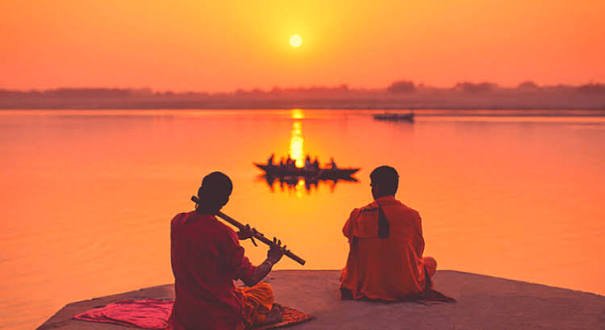
Varanasi Best Places to Visit in Varanasi / Kashi (2026 Guide) Planning a spiritual trip to Varanasi? Explore the world’s oldest living city with our updated guide. We cover the core temples along the Ganga, iconic ghats, daily darshan timings, transit logistics, and local ground tips to make your pilgrimage smooth and meaningful. Resting on the crescent-shaped western bank of the sacred Ganga, Varanasi (Kashi) is celebrated as the eternal city of Lord Shiva and the supreme land of Moksha. Steeped in thousands of years of living ritual and cultural wisdom, Kashi balances profound mysticism with newly modernized pilgrim facilities. From the grand, riverfront Kashi Vishwanath Dham Corridor to the hypnotic brass lamps of the evening Dashashwamedh Ganga Aarti and the morning serenity of Assi Ghat, Varanasi offers an unforgettable spiritual encounter. Use this guide to plan your darshan, boat rides, and daily itinerary. Varanasi Gateway: Distances & Transit Destination Distance from Varanasi Cantt Station (BSB) Distance from Babatpur Airport (VNS) Best Time to Visit Kashi Vishwanath Temple (Corridor) ~4.5 km ~25 km Early Morning (Mangala Aarti) or Night Dashashwamedh Ghat ~4.2 km ~26 km Sunset / Evening (6:30 PM – 7:30 PM for Maha Aarti) Assi Ghat ~5.8 km ~28 km Dawn (5:30 AM Subah-e-Banaras) Kaal Bhairav Mandir ~3.8 km ~24 km Morning (Tradition: Kashi ke Kotwal darshan) Sankat Mochan Hanuman Temple ~6.5 km ~29 km Tuesday / Saturday or Early Evening Sarnath Buddhist Complex (Excursion) ~9 km ~27 km Morning (9:00 AM – 1:00 PM) Ramnagar Fort ~9.5 km ~32 km Afternoon (Across Ganga by Pontoon/Bridge) By Train: Varanasi Junction / Cantt (BSB), Banaras Railway Station (BSBS), and Pt. Deen Dayal Upadhyaya Junction (DDU / Mughal Sarai) connect directly to every major hub across India. Shared autos, battery e-rickshaws, and private cabs run continuously between the stations and Godowlia Chowk / Maidagin (the pedestrian drop points for the inner temple corridors). By Flight: Lal Bahadur Shastri International Airport (VNS) at Babatpur sits around 25 km away. The Babatpur-Varanasi 4-lane elevated expressway cuts transfer times to 40–50 minutes by airport prepaid taxi or app-based cab. By Road: Varanasi is linked via NH-19 (Delhi–Kolkata Golden Quadrilateral) and the Purvanchal Expressway network. It is an easy 2.5-hour drive from Prayagraj, 4 hours from Ayodhya, and 5 hours from Lucknow. Local Tip: Tradition holds that after taking a holy dip in the Ganga and visiting Baba Vishwanath, you must visit Kaal Bhairav Mandir (revered as the “Kotwal” or divine police chief of Kashi) to seek permission to complete your pilgrimage successfully. Top Varanasi Highlights Shri Kashi Vishwanath Dham View More Dashashwamedh Ghat & The Grand Evening Ganga Aarti View More Assi Ghat View More Manikarnika & Harishchandra Ghats View More Kaal Bhairav Temple View More Maa Annapurna Mandir View More Sankat Mochan Hanuman Mandir View More Sarnath Deer Park, Dhamek Stupa & Ashoka Pillar View More Shri Durga Kund Temple & Tulsi Manas Mandir View More BHU New Vishwanath Temple View More Ramnagar Fort & Museum View More Heritage Ganga Sunrise Hand-Rowed Wooden Boat Ride View More FAQ Frequently Asked Questions How many days are recommended to experience Varanasi? 2 to 3 full days is the sweet spot. Two days cover the Kashi Vishwanath corridor, the old city galis, a sunrise boat ride, both major evening aartis, and the key auxiliary temples (Kaal Bhairav and Sankat Mochan). Dedicate the third day to the Buddhist heritage site of Sarnath and the Ramnagar Fort. What are the temple timings and locker rules at Kashi Vishwanath? The temple gates open early at 2:30 AM for Mangala Aarti and remain accessible through various aarti cycles until closing at 11:00 PM. Free digital locker facilities and shoe stands are set up at Gate No. 4 (Chhattadwar / Godowlia side) and near the Ganga Riverfront entrance inside the Vishwanath Dham complex. Are mobile phones and bags allowed inside Kashi Vishwanath? Mobile phones, smartwatches, pens, earphones, electronic key fobs, leather belts, and large bags are strictly barred from the sanctum sanctorum. Pilgrims must deposit all personal electronics and baggage at the official security cloakrooms before passing through police metal detectors. What is the best season to plan a Varanasi tour? October through March offers the coolest, most pleasant temperatures for exploring the ghats and lanes on foot. For an unforgettable visual spectacle, visit during Dev Deepawali (celebrated on Kartik Purnima, fifteen days after Diwali), when all 84 ghats are illuminated by over a million earthen diyas.
Destination

Ayodhya

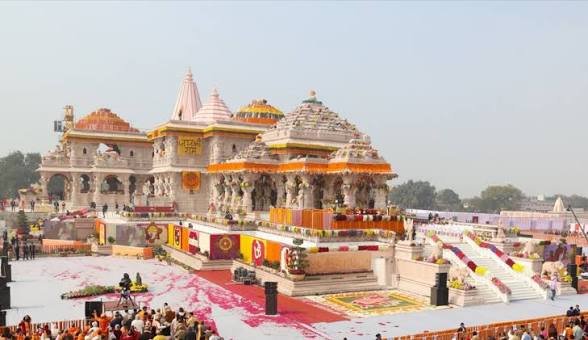
Ayodhya Best Places to Visit in Ayodhya (2026 Guide) Planning a spiritual trip to Ayodhya? Explore the sacred birthplace of Lord Rama with our updated guide. We cover the core shrines along the Saryu River, daily darshan timings, direct transit routes, and local tips to make your pilgrimage seamless and well-organized. Resting gracefully along the holy Saryu, Ayodhya stands as one of India’s seven sacred Moksha puris. The ancient city blends profound epic heritage with newly developed world-class infrastructure. From the grand, intricately carved pink-sandstone pavilions of the Shri Ram Janmabhoomi Mandir to the ancient hilltop ramparts of Hanumangarhi and the peaceful evening aartis at Ram Ki Paidi, Ayodhya offers an unforgettable devotional journey. Use this guide to plan your darshan, transit, and stay across the sacred circuit. Ayodhya Gateway: Distances & Transit Destination Distance from Ayodhya Dham Junction (AY) Distance from Maharishi Valmiki Airport (AYJ) / Lucknow (LKO) Best Time to Visit Shri Ram Janmabhoomi Mandir ~1.5 km ~8.5 km (AYJ) / ~140 km (LKO) Early Morning (6:30 AM – 11:30 AM) or Evening Hanumangarhi Temple ~1 km ~8 km (AYJ) / ~139 km (LKO) Early Morning (Tradition: visit before Ram Mandir) Kanak Bhavan ~1.8 km ~9 km (AYJ) / ~140 km (LKO) Morning Shringar Aarti / Evening Sandhya Ram Ki Paidi & Saryu Ghats ~2.5 km ~10 km (AYJ) / ~142 km (LKO) Evening Sunset & Grand Saryu Maha Aarti Nageshwarnath Temple ~2.5 km ~10 km (AYJ) / ~142 km (LKO) Early Morning Surya Kund ~5 km ~4 km (AYJ) / ~135 km (LKO) Evening (Laser show & landscaped gardens) Dashrath Mahal ~1.5 km ~8.5 km (AYJ) / ~140 km (LKO) Morning Hours By Train: Ayodhya Dham Junction (AY) and Ayodhya Cantt (AYC) receive direct Vande Bharat, Amrit Bharat, and express trains from Delhi, Mumbai, Varanasi, Lucknow, and Ahmedabad. Battery-operated e-rickshaws and auto-rickshaws connect both stations to the Ram Path corridor in 10 to 20 minutes. By Air: The Maharishi Valmiki International Airport Ayodhya Dham (AYJ) is located roughly 8 km from the temple zone, offering direct flights to major metros. Alternatively, Chaudhary Charan Singh International Airport (LKO) in Lucknow sits about 140 km away (a smooth 2.5-hour drive via the Lucknow–Ayodhya 4-lane highway). By Road: Ayodhya is easily accessible via NH-27. It takes roughly 2.5 hours from Lucknow, 4 hours from Gorakhpur, and 4.5 hours from Varanasi or Prayagraj via private cab or state bus. Local Tip: Traditional pilgrim custom suggests visiting Hanumangarhi first to take the blessings of Lord Hanuman (regarded as the guardian protector of the city) before proceeding for darshan at the Shri Ram Janmabhoomi Mandir. Top Ayodhya Highlights Shri Ram Janmabhoomi Mandir View More Hanumangarhi View More Kanak Bhavan View More Ram Ki Paidi View More Saryu River Ghats & Evening Maha Aarti View More Nageshwarnath Temple View More Dashrath Mahal View More Guptar Ghat View More Surya Kund View More Mani Parbat View More Gulab Bari & Bahu Begum Tomb View More Bharat Kund / Nandigram View More FAQ Frequently Asked Questions What are the temple timings and locker rules at Ram Mandir? The Shri Ram Janmabhoomi Mandir generally opens for darshan from 6:30 AM to 12:00 PM, and reopens from 2:00 PM until around 9:30 PM. Large digital pilgrim facilitation centers (PFC) at the entry path provide free computerized cloakrooms for shoes, mobile phones, wallets, and bags. How many days are recommended for an Ayodhya visit? 1 to 2 full days is ideal. In 1 day, you can comfortably attend morning darshan at Hanumangarhi, visit Shri Ram Janmabhoomi Mandir and Kanak Bhavan, and conclude with the sunset Saryu Aarti at Ram Ki Paidi. Adding a second day allows a peaceful visit to Guptar Ghat, Surya Kund, and nearby Nandigram (Bharat Kund). Are electronic items allowed inside the main Ram Janmabhoomi complex? No. Mobile phones, smartwatches, cameras, earphones, belts with large metallic buckles, and electronic items are strictly prohibited beyond the main security screening gates. Deposit them in the free official locker counters available along the Ram Path entrance before entering the queue line. What is the best time of year to plan an Ayodhya pilgrimage? October through March offers cool, pleasant weather ideal for walking temple parikramas. If you wish to witness grand festive celebrations, plan your trip during Ram Navami (spring) or the spectacular Deepotsav celebration on the eve of Diwali, when millions of earthen lamps illuminate the banks of the Saryu.

Destination

Vrindavan

Vrindavan Best Places to Visit in Vrindavan, Mathura (2026 Guide) Planning a trip to Vrindavan? Explore the sacred epicenter of Krishna bhakti with our 2026 guide. We cover the top temples, logistics, and expert travel tips for your ultimate spiritual pilgrimage in the heart of Braj Bhoomi. Spanning the sacred banks of the Yamuna River, Vrindavan is revered globally as the playground where Lord Krishna spent his divine childhood. Home to over 5,000 ancient and modern temples, holy groves, and river ghats, this sacred town draws millions of pilgrims and spiritual seekers every year. From the mystical lanes surrounding Shri Banke Bihari Ji to the grand Italian marble architecture of Prem Mandir, Vrindavan blends profound spiritual devotion with centuries of living heritage. Use this guide to navigate the holy shrines, darshan logistics, and surrounding Braj attractions during your 2026 visit. Vrindavan Gateway: How to Reach & Commute   Destination Distance from Mathura Junction (MTJ) Distance from Agra Airport (AGR) / Delhi (DEL) Best Time to Visit Shri Banke Bihari Mandir ~12 km ~65 km (AGR) / ~145 km (DEL) Early Morning / Evening Opening Darshan Prem Mandir (Temple of Divine Love) ~9 km ~62 km (AGR) / ~142 km (DEL) Evening (6:30 PM – 8:30 PM for Light Show) ISKCON Temple (Sri Sri Krishna Balaram) ~10 km ~63 km (AGR) / ~143 km (DEL) Early Morning Mangala Aarti (4:30 AM) Nidhivan Sacred Forest ~13 km ~66 km (AGR) / ~146 km (DEL) Morning (Closes strictly before sunset) Shri Radha Raman Temple ~12.5 km ~65 km (AGR) / ~145 km (DEL) Morning Aarti (08:30 AM – 11:00 AM) Mathura Shri Krishna Janmabhoomi ~11 km from Vrindavan ~55 km (AGR) / ~150 km (DEL) Morning (Day Trip Segment) Govardhan Parikrama Circuit ~25 km from Vrindavan ~75 km (AGR) / ~155 km (DEL) Early Morning / Full Moon Evening By Rail: Mathura Junction (MTJ) is one of north India’s busiest railway hubs along the main Delhi–Mumbai route. E-rickshaws, shared autos, and app-based cabs take roughly 25 to 35 minutes to reach central Vrindavan via the Mathura-Vrindavan Marg. By Air: The closest domestic terminal is Agra Airport (AGR), roughly 65 km away (1.5 hours via NH-19). For international and major national flights, Indira Gandhi International Airport (DEL) in New Delhi sits 145 km away, offering a direct 2.5-hour drive via the Yamuna Expressway. By Road: Vrindavan is seamlessly connected through the 6-lane Yamuna Expressway and NH-19. It takes approximately 2.5 hours from Delhi/NCR, 1 hour from Agra, and 4.5 hours from Jaipur via the Bharatpur route. Pro Tip: Keep spectacles, sunglasses, bags, and food items securely packed inside a zipped backpack when entering the narrow lanes of Banke Bihari and Nidhivan. The local rhesus macaque monkeys are infamous for snatching exposed glasses and phones. Top Vrindavan Highlights :- Shri Banke Bihari Mandir View More Prem Mandir & Musical Fountain Light Show View More ISKCON Vrindavan View More Nidhivan (Mystical Raslila Van) View More Shri Radha Raman Temple View More Shri Rangji Mandir View More Kesi Ghat & Yamuna Sunset Boat Ride View More Seva Kunj (Sacred Brij Grove) View More Shri Radha Vallabh Temple View More Katyayani Peeth View More Madan Mohan Temple View More Mathura Shri Krishna Janmabhoomi & Vishram Ghat View More FAQ Frequently Asked Questions How much time is needed to visit Vrindavan? 1 to 2 full days is recommended. This allows you to attend early morning darshans at Banke Bihari and Radha Raman, explore Nidhivan and ISKCON during the day, enjoy the illuminated Prem Mandir fountain show in the evening, and take a half-day excursion to Mathura or Govardhan. What are the temple timings and entry fees for Vrindavan? Most temples in Vrindavan do not charge any entry fee. Darshan timings follow strict morning and evening cycles: temples typically open between 7:30 AM and 12:00 PM, shut completely between 12:00 PM and 4:30 PM for afternoon rest (Bhog/Shayan), and reopen from 4:30 PM until 8:30 PM or 9:30 PM. What is the best time of year to visit Vrindavan? October to March offers cool, pleasant weather ideal for temple circuits, walking parikramas, and street explorations. The festive periods of Janmashtami (August/September) and the world-famous Braj Holi celebrations (February/March) provide unparalleled cultural energy, though advance accommodation bookings are essential. Is photography allowed inside Vrindavan temples? Photography and videography are strictly prohibited inside the inner sanctums and garbhagrihas of temples such as Banke Bihari, Radha Raman, and Nidhivan to maintain sanctitude and crowd safety. Photography of outer gardens and exterior architecture is permitted at Prem Mandir and ISKCON.

Scroll to Top